

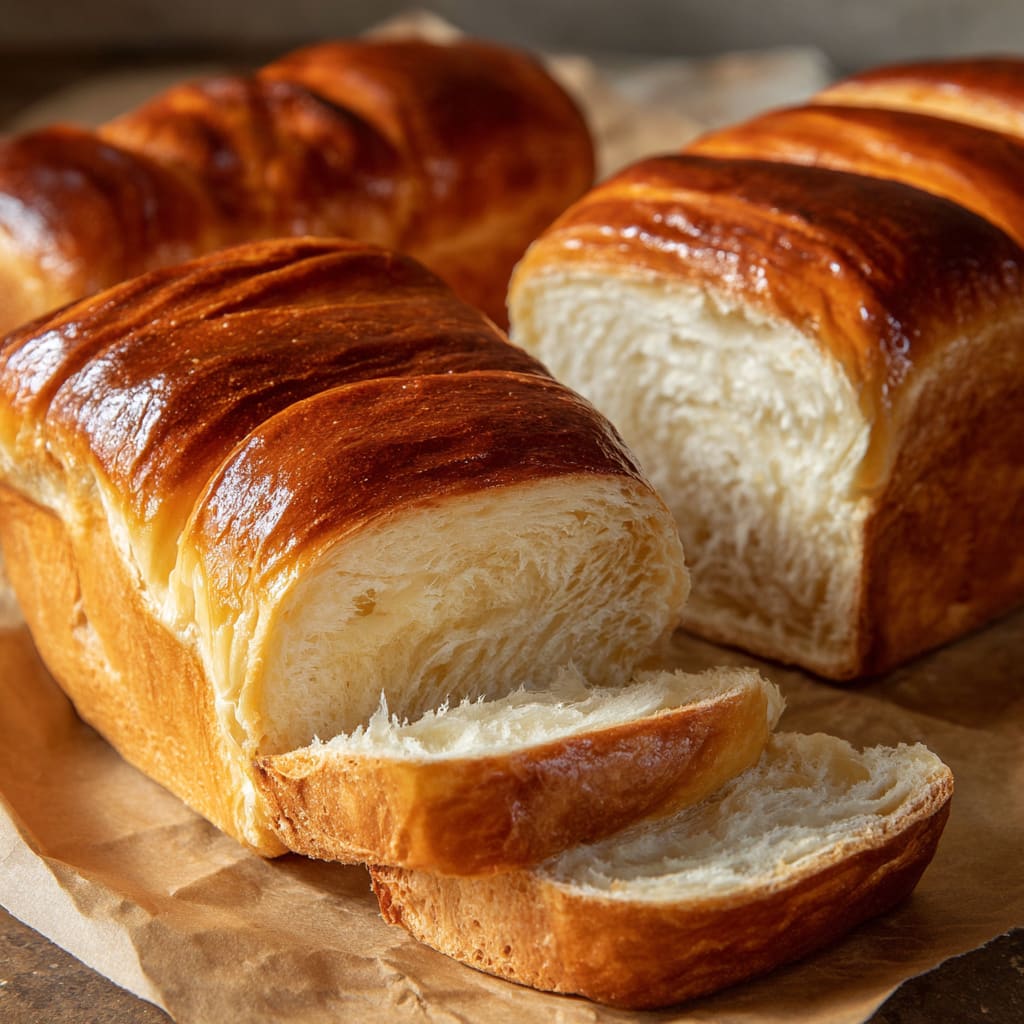
Imagine sinking your teeth into a cloud-like, buttery slice of bread with a delicate sweetness that melts in your mouth. That’s the magic of Condensed Milk Bread – a heavenly treat that combines the richness of condensed milk with the comfort of freshly baked bread. This Asian-inspired bread has gained popularity worldwide for its pillowy texture and subtle sweetness that makes it perfect for breakfast or an afternoon snack. Unlike ordinary bread, condensed milk bread carries a distinct flavor profile that’s irresistibly indulgent without being overwhelming. You’ll learn how to create this bakery-quality bread in your own kitchen with simple ingredients and foolproof techniques.
Why You’ll Love This Recipe
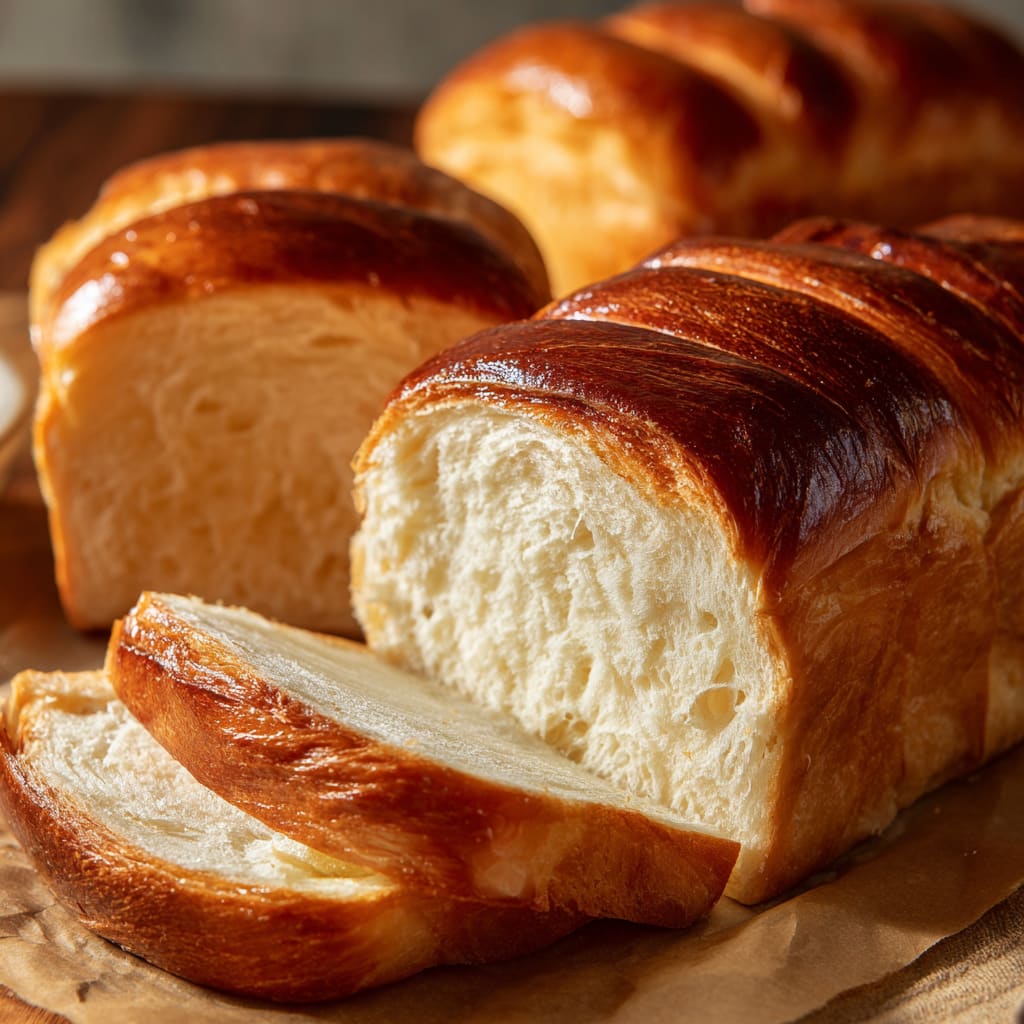
This condensed milk bread recipe will quickly become your go-to bread for several compelling reasons. First, the texture is absolutely divine – each bite offers a perfect balance between airy lightness and satisfying chewiness, with a tender crumb structure that pulls apart in delicate, feathery strands. The condensed milk infuses the dough with a subtle sweetness that permeates every bite, creating a more complex flavor than regular white bread without venturing into dessert territory.
What’s particularly wonderful about this sweet milk bread is its versatility. It’s equally delicious enjoyed plain, toasted with butter, or used as the foundation for both sweet and savory sandwiches. The beautiful golden crust contrasts wonderfully with the pillowy interior, creating a sensory experience that’s as pleasing to the eye as it is to the palate.
Even if you’re new to bread baking, this recipe is remarkably forgiving and achievable. The condensed milk not only adds flavor but also contributes to the bread’s exceptional softness and extended freshness – meaning your homemade loaf will stay deliciously soft for days longer than traditional bread.
Ingredients List for the Condensed Milk Bread
These carefully selected ingredients work together to create the perfect balance of sweetness, richness, and pillowy texture that makes condensed milk bread so special. The condensed milk is the star ingredient, adding both sweetness and contributing to the bread’s wonderfully tender structure.
- 1 tablespoon active dry yeast
- 1/2 teaspoon salt
- 1 cup milk (room temperature)
- 1/2 cup sweetened condensed milk
- 1 egg
- 3.5 cups all-purpose flour
- 1/4 cup unsalted butter (softened)
- 2 teaspoons egg yolk
- 1 tablespoon milk
- 3 tablespoons condensed milk
- 1 tablespoon unsalted butter (softened)
Pro Tips
To achieve the perfect condensed milk bread, focus on these three critical techniques:
First, the proper kneading technique makes all the difference in developing the gluten structure that gives this bread its characteristic pull-apart texture. Don’t rush this step – a full 15-20 minutes of kneading results in a smooth, elastic dough that will rise beautifully. The dough should pass the “windowpane test” – when stretched between your fingers, it should form a thin, translucent membrane without tearing.
Second, temperature control is crucial for proper fermentation. For the first proofing, create a warm, draft-free environment (ideally 75-85°F) by placing the dough in a microwave with a cup of hot water as suggested in the recipe. This consistent warmth encourages optimal yeast activity, resulting in a better rise and texture.
Lastly, don’t overbake this delicate bread. Because of the condensed milk’s sugar content, this bread browns faster than traditional varieties. Begin checking for doneness at the 18-minute mark by tapping the bottom – a hollow sound indicates it’s perfectly baked. Removing the bread from the pan immediately after baking prevents soggy bottoms and ensures a perfect crust all around.
Instructions
Step 1: Soften the butter at room temperature. In a large mixing bowl, whisk together the milk, condensed milk, egg, salt, and yeast. Sift the all-purpose flour into the same bowl and mix with a spatula until combined. Continue mixing and folding the dough until the ingredients are fully incorporated. Add the softened butter to the dough and mix thoroughly until well combined.
Step 2: Transfer the dough to a floured surface and knead it by hand for 15 to 20 minutes, until smooth. If the dough becomes too sticky to knead, set aside one tablespoon of all-purpose flour and sprinkle it over the dough as needed.
Step 3: Place the dough in a buttered bowl and cover it with a cloth or plastic wrap. Let the dough proof in a warm area for 1 hour, or until it has doubled in size. (I usually leave the dough in the microwave with a cup of hot water next to it, which helps reduce the proofing time.)
Step 4: After the first proofing, transfer the dough to a floured surface and gently press to release the air. Divide the dough into two equal portions. Flatten and shape each portion into a 16 x 8-inch (40 x 20 cm) rectangle, then roll it up and pinch the seam to seal. Place the seam side down and cut the dough into equal pieces with a knife, similar to making cinnamon rolls.
Step 5: Line the cut dough pieces in a loaf pan and cover them lightly with plastic wrap. Let the dough rise in a warm area for 45 minutes. Repeat this step with the second loaf. Once the loaves have doubled in size, brush them with an egg wash.
Step 6: Preheat the oven to 180°C (356°F) and bake the loaves for 22 minutes, or until golden brown. Meanwhile, prepare the glaze by combining the condensed milk with softened butter in a small bowl. Whisk until well combined and set aside.
Step 7: After baking, remove the bread from the loaf pan immediately. Brush the bread with the condensed milk glaze and serve warm or at room temperature.
Variations
The beauty of this sweet milk bread recipe is how easily it can be customized to suit different tastes and dietary needs. For a chocolate condensed milk bread variation, add 3 tablespoons of cocoa powder to the flour and fold in 1/2 cup of chocolate chips before the first rise. The result is a marvelously decadent chocolate bread with the same pillowy texture that’s perfect for an indulgent breakfast or dessert.
For those seeking a dairy-free alternative, you can substitute the regular milk with almond or soy milk and use coconut condensed milk in place of the traditional sweetened condensed milk. While the flavor profile will shift slightly toward coconut, the bread maintains its characteristic softness and subtle sweetness.
A popular Asian variation includes adding tangzhong—a cooked flour and water paste—to the dough, which further enhances the bread’s softness and shelf life. Simply cook 3 tablespoons of flour with 1/2 cup water until thickened, then cool and add to your dough mixture for an even more cloud-like texture.
Storage and Serving
Once completely cooled, store your condensed milk bread in an airtight container at room temperature for up to 4 days. The condensed milk in the dough helps maintain moisture, keeping the bread fresh longer than traditional homemade varieties. For extended storage, slice the bread, wrap it tightly in plastic wrap, then aluminum foil, and freeze for up to 3 months. Individual slices can be toasted straight from frozen when needed.
This milk bread makes an exceptional base for both sweet and savory creations. For breakfast, try toasting slices and spreading with butter and honey or making luxurious French toast that caramelizes beautifully thanks to the bread’s natural sweetness. For lunch, the subtle sweetness creates an intriguing contrast with savory fillings like ham and cheese or egg salad.
For an elegant dessert, slice the bread thickly and use it to create a next-level bread pudding with cinnamon, vanilla, and additional condensed milk for a custard that will have guests begging for your secret recipe.
FAQs
Can I use instant yeast instead of active dry yeast?
Yes, you can substitute instant yeast for active dry yeast in this condensed milk bread recipe. Use the same amount (1 tablespoon), but you can skip the activation step and mix it directly with the dry ingredients. Your dough may rise slightly faster, so keep an eye on it.
Why did my bread not rise properly?
Insufficient rising usually stems from either inactive yeast or improper temperature. Ensure your yeast is fresh and that your proofing environment is warm enough (75-85°F). Also, check that the milk used wasn’t too hot when added to the yeast, as temperatures above 115°F can kill yeast.
Can I make this bread without a stand mixer?
Absolutely! While a stand mixer makes the process easier, this bread can be made entirely by hand as detailed in the instructions. The hand-kneading process actually helps you develop a better feel for when the dough has reached the proper consistency.
How do I know when my bread is properly kneaded?
Well-kneaded dough for condensed milk bread should be smooth, elastic, and pass the windowpane test – when a small piece is stretched between your fingers, it should form a thin, translucent “window” without tearing.
Can I make this bread ahead of time?
Yes! You can prepare the dough through the first rising, then refrigerate it overnight. The next day, allow it to come to room temperature for about 30 minutes before shaping, second rising, and baking. This cold fermentation actually enhances the flavor complexity of the finished bread.
Condensed Milk Bread
- Prep Time: 15 mins
- Cook Time: 30 mins
- Total Time: 45 mins
- Yield: 4 people 1x
- Category: Breakfast
- Method: Cooking
- Cuisine: American
Description
Looking to level up your baking game? Discover the delicious recipe for Condensed Milk Bread and impress your friends today!
Ingredients
- 1 tablespoon active dry yeast
- 1/2 teaspoon salt
- 1 cup milk (room temperature)
- 1/2 cup sweetened condensed milk
- 1 egg
- 3.5 cups all-purpose flour
- 1/4 cup unsalted butter (softened)
- 2 teaspoons egg yolk
- 1 tablespoon milk
- 3 tablespoons condensed milk
- 1 tablespoon unsalted butter (softened)
Instructions
- Step 1: Soften the butter at room temperature. In a large mixing bowl, whisk together the milk, condensed milk, egg, salt, and yeast. Sift the all-purpose flour into the same bowl and mix with a spatula until combined. Continue mixing and folding the dough until the ingredients are fully incorporated. Add the softened butter to the dough and mix thoroughly until well combined.
- Step 2: Transfer the dough to a floured surface and knead it by hand for 15 to 20 minutes, until smooth. If the dough becomes too sticky to knead, set aside one tablespoon of all-purpose flour and sprinkle it over the dough as needed.
- Step 3: Place the dough in a buttered bowl and cover it with a cloth or plastic wrap. Let the dough proof in a warm area for 1 hour, or until it has doubled in size. (I usually leave the dough in the microwave with a cup of hot water next to it, which helps reduce the proofing time.).
- Step 4: After the first proofing, transfer the dough to a floured surface and gently press to release the air. Divide the dough into two equal portions. Flatten and shape each portion into a 16 x 8-inch (40 x 20 cm) rectangle, then roll it up and pinch the seam to seal. Place the seam side down and cut the dough into equal pieces with a knife, similar to making cinnamon rolls.
- Step 5: Line the cut dough pieces in a loaf pan and cover them lightly with plastic wrap. Let the dough rise in a warm area for 45 minutes. Repeat this step with the second loaf. Once the loaves have doubled in size, brush them with an egg wash.
- Step 6: Preheat the oven to 180°C (356°F) and bake the loaves for 22 minutes, or until golden brown. Meanwhile, prepare the glaze by combining the condensed milk with softened butter in a small bowl. Whisk until well combined and set aside.
- Step 7: After baking, remove the bread from the loaf pan immediately. Brush the bread with the condensed milk glaze and serve warm or at room temperature.
Notes
Try This Recipe and Leave a comment Below, your opinion matters to me!
Nutrition
- Serving Size: 4 serving
- Calories: 400
- Sugar: 5g
- Sodium: 400mg
- Fat: 10g
- Saturated Fat: 3g
- Unsaturated Fat: 7g
- Trans Fat: 0g
- Carbohydrates: 40g
- Fiber: 5g
- Protein: 15g
- Cholesterol: 50mg