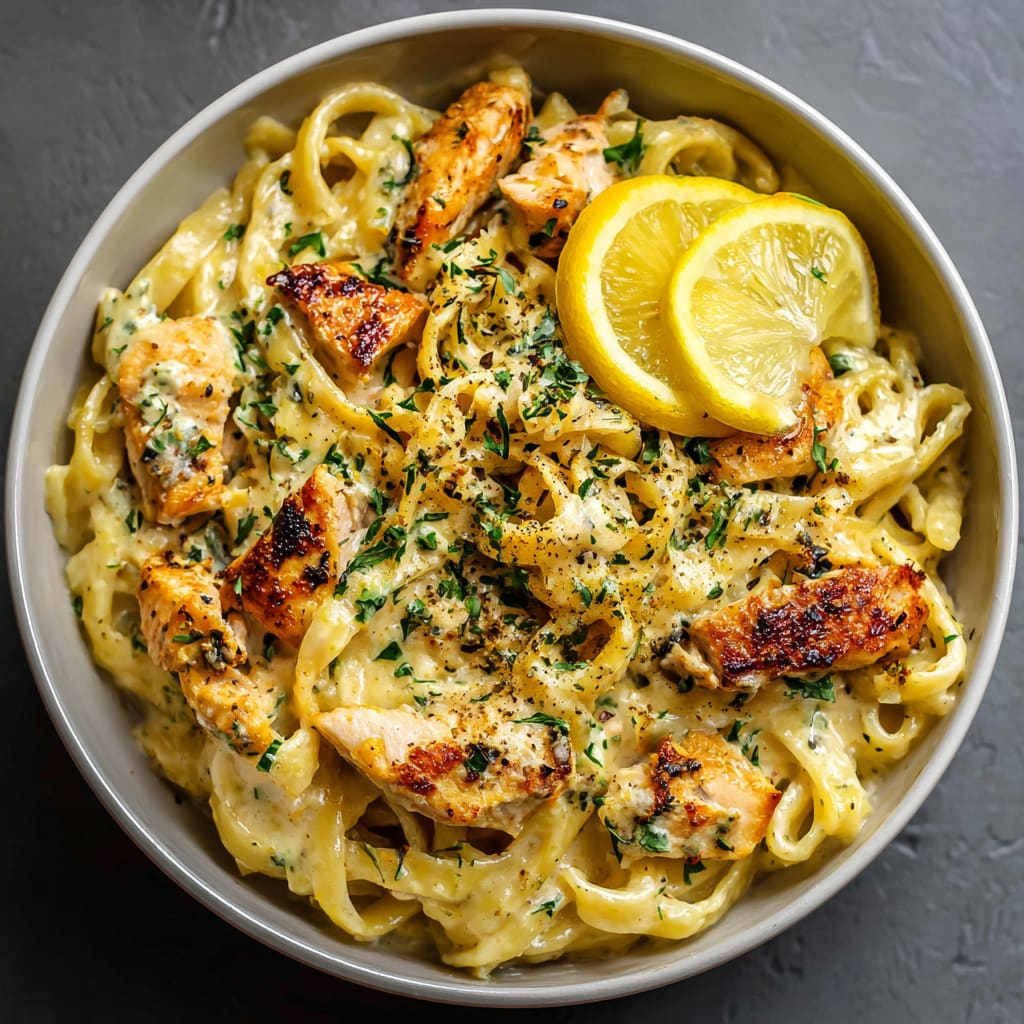

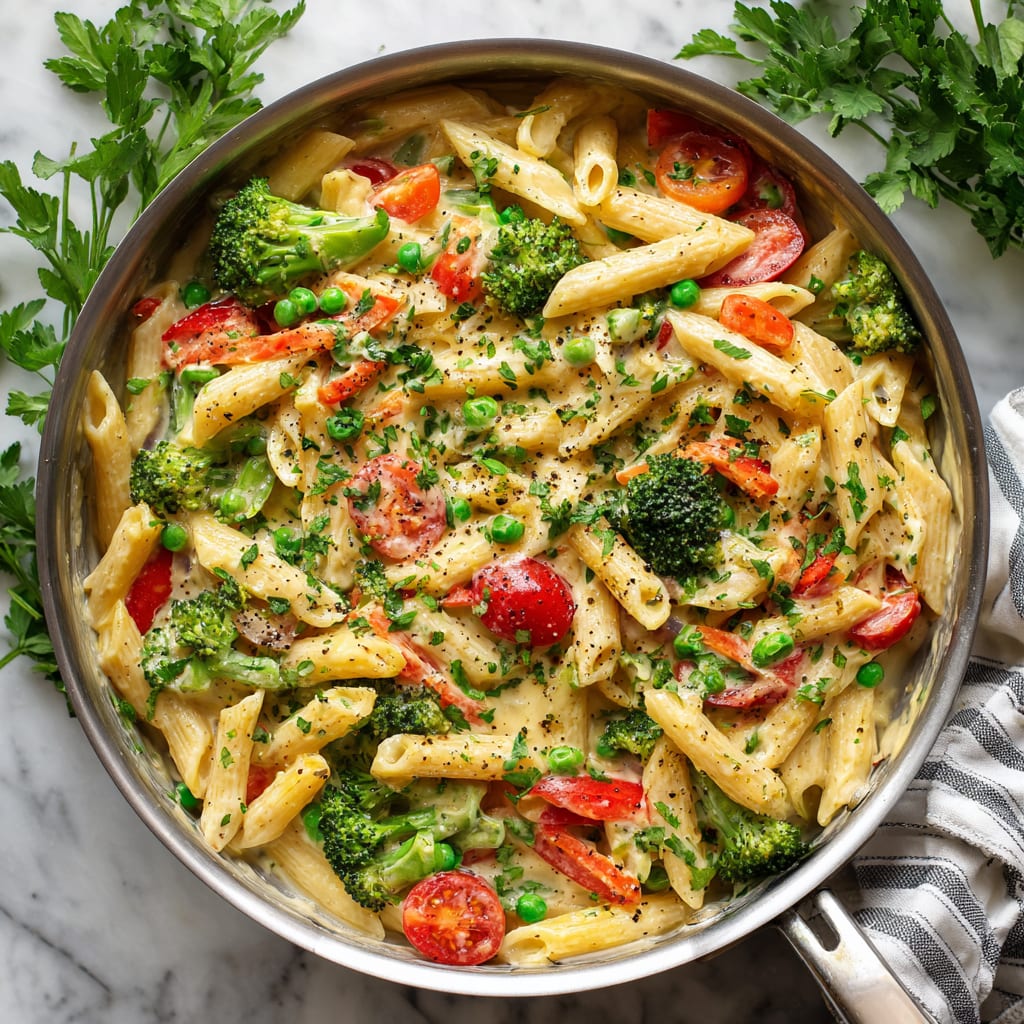
Imagine twirling your fork through a vibrant, colorful plate of Pasta Primavera, where tender pasta mingles with crisp spring vegetables coated in a silky, garlic-infused sauce. This classic Italian-American creation celebrates the freshness of seasonal produce while delivering comfort in every bite. Pasta Primavera isn’t just another pasta dish—it’s a beautiful harmony of textures and flavors that transforms simple ingredients into something extraordinary. You’ll learn how to create the perfect balance of al dente pasta and garden-fresh vegetables, all brought together with a sauce that’s light enough to let each ingredient shine.
Why You’ll Love This Recipe
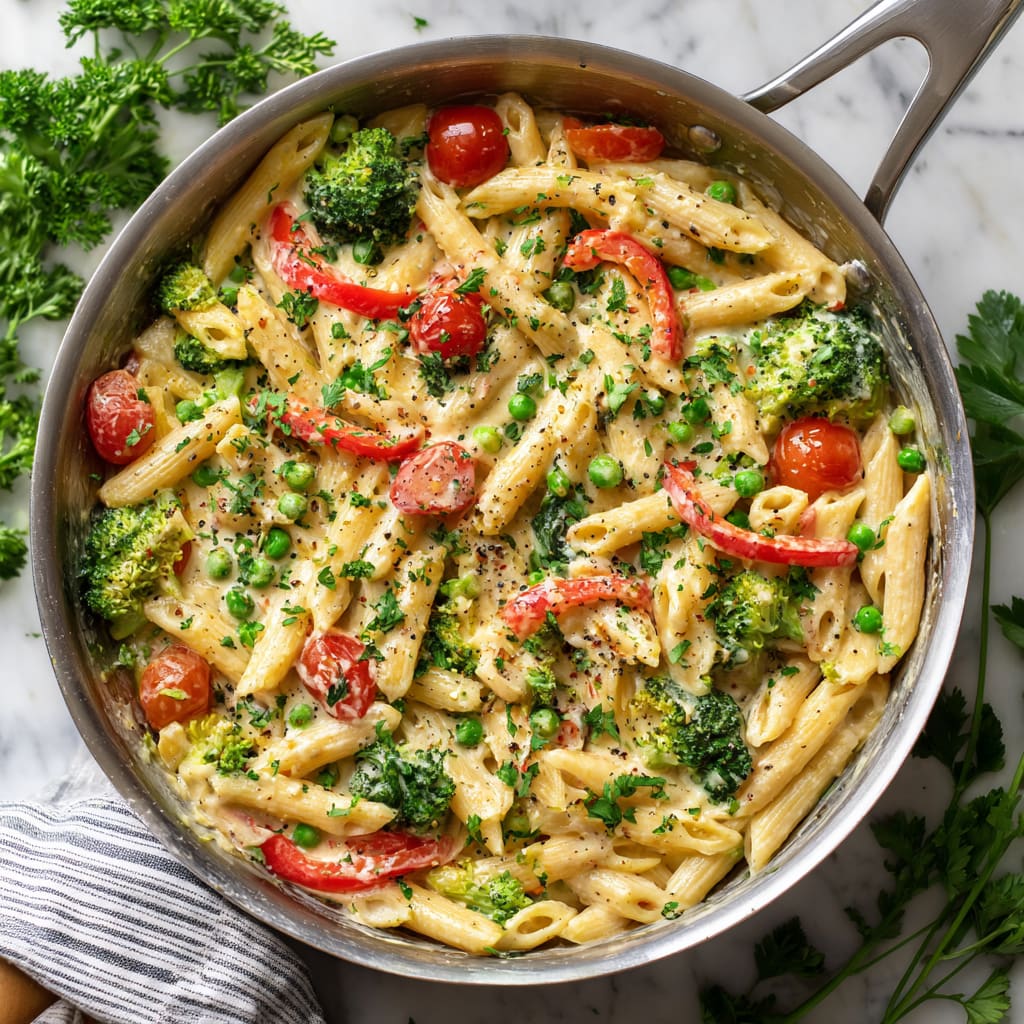
This Pasta Primavera Recipe stands out from ordinary pasta dishes for so many delicious reasons. First, it’s a true celebration of textures—the satisfying chew of perfectly cooked pasta contrasts beautifully with the gentle crunch of barely-cooked vegetables. The vegetables retain their vibrant colors and nutrients, making this as visually stunning as it is nutritious.
What truly sets this Pasta Primavera apart is its versatility. You can customize it based on whatever vegetables look freshest at your market, making it perfect for any season (though spring vegetables are traditional). It comes together in about 30 minutes, making it ideal for weeknight dinners when you want something impressive without spending hours in the kitchen.
The sauce strikes that perfect balance—light enough to let the vegetables shine yet flavorful enough to bring everything together. It’s a dish that feels both indulgent and wholesome, satisfying pasta lovers while packing in plenty of vegetables. And unlike heavier pasta dishes, this primavera leaves you feeling energized rather than weighed down—a pasta dinner you can feel good about serving any day of the week.
Ingredients
For the Pasta Primavera (serves 4):
• 12 oz (340g) pasta (fettuccine, penne, or linguine work well)
• 3 tablespoons (45ml) olive oil, divided
• 1 medium zucchini (about 8 oz/225g), sliced into half-moons
• 1 yellow bell pepper, sliced into thin strips
• 1 red bell pepper, sliced into thin strips
• 8 oz (225g) asparagus, woody ends removed, cut into 2-inch pieces
• 1 cup (150g) cherry tomatoes, halved
• 3 cloves garlic, minced
• 1/2 cup (120ml) vegetable or chicken broth
• 1/2 cup (120ml) heavy cream (optional)
• 1/3 cup (30g) freshly grated Parmesan cheese, plus more for serving
• 2 tablespoons fresh lemon juice
• 1/4 cup fresh basil leaves, torn
• Salt and freshly ground black pepper, to taste
• Red pepper flakes (optional)
Look for the freshest seasonal vegetables for optimal flavor—farm-fresh asparagus and cherry tomatoes will elevate this vegetable pasta primavera to new heights. The Parmesan adds a nutty, salty dimension that brings the whole dish together.
Pro Tips
1. Properly Cook Your Pasta
For perfect Pasta Primavera, cook your pasta just until al dente—about 1-2 minutes less than the package instructions suggest. The pasta will continue cooking slightly when tossed with the hot vegetables and sauce. Reserve at least 1 cup of pasta water before draining; this starchy liquid is liquid gold for adjusting the consistency of your final sauce. The starch molecules help emulsify the sauce, creating a silky texture that clings to both pasta and vegetables.
2. Vegetable Timing Is Everything
The key to exceptional Pasta Primavera is cooking each vegetable properly. Start with vegetables that take longer to cook (like carrots or bell peppers) and add quick-cooking vegetables (like tomatoes or peas) last. Aim for vegetables that are tender-crisp—never mushy. They should retain their bright colors and a slight bite, which provides the perfect textural contrast to the soft pasta.
3. Don’t Overcrowd Your Pan
When sautéing vegetables for Pasta Primavera, work in batches if necessary. Overcrowding causes vegetables to steam rather than sauté, resulting in soggy textures and diluted flavors. A properly sautéed vegetable develops caramelized edges that add depth of flavor to your final dish. Give each vegetable piece enough space to make direct contact with the hot pan surface.
Instructions
Step 1: Prepare Your Ingredients
Bring a large pot of salted water to a boil for the pasta. While waiting, wash and chop all your vegetables. Having everything prepped before you start cooking will make the process much smoother. Arrange your chopped vegetables on a cutting board or in small bowls according to their cooking times, with longer-cooking vegetables grouped together.
Step 2: Cook The Pasta
Add the pasta to the boiling water and cook until al dente according to package directions, typically 8-10 minutes. Before draining, reserve 1 cup of the starchy pasta water. Drain the pasta but don’t rinse it—the starch on the surface will help the sauce cling better. Toss with a small drizzle of olive oil to prevent sticking if you’re not immediately adding it to the sauce.
Step 3: Sauté The Vegetables
Heat 2 tablespoons of olive oil in a large skillet over medium-high heat. Add the firmer vegetables first—bell peppers and asparagus—and sauté for about 3 minutes until they begin to soften. Add the zucchini and continue cooking for another 2 minutes. The vegetables should be bright in color and still slightly crisp. Your kitchen will fill with the aromatic scent of fresh vegetables beginning to caramelize.
Step 4: Add Aromatics And Finishing Vegetables
Reduce the heat to medium and add the remaining tablespoon of olive oil along with the minced garlic. Sauté for 30 seconds until fragrant, being careful not to let it brown. Add the cherry tomatoes and cook for just 1 minute more, until they begin to release their juices but still maintain their shape.
Step 5: Create The Sauce
Pour in the broth and bring to a gentle simmer. If using cream, add it now and allow the sauce to simmer for 1-2 minutes until slightly thickened. Add the grated Parmesan cheese and stir until melted and incorporated. The sauce should be light yet creamy, coating the back of a spoon. If it’s too thick, add some of the reserved pasta water, a few tablespoons at a time.
Step 6: Combine And Finish
Add the drained pasta directly to the skillet with the vegetables and sauce. Toss everything together gently but thoroughly, ensuring every strand of pasta is coated with sauce and the vegetables are evenly distributed. Add the fresh lemon juice and half of the basil, then toss again. If the mixture seems dry, add a splash of the reserved pasta water to achieve your desired consistency.
Step 7: Serve
Transfer your Pasta Primavera to a large serving bowl or individual plates. Garnish with the remaining fresh basil leaves, additional Parmesan cheese, and a light sprinkle of red pepper flakes if desired. Serve immediately while hot, passing extra Parmesan at the table for those who want an additional cheesy kick.
Variations
Mediterranean Pasta Primavera
Transform your basic Pasta Primavera into a Mediterranean delight by adding 1/2 cup of pitted kalamata olives, 1/3 cup of crumbled feta cheese instead of Parmesan, and a handful of chopped fresh oregano. Finish with a drizzle of high-quality olive oil and a squeeze of lemon. This variation brings bright, briny flavors that transport you straight to the Mediterranean coast.
Protein-Packed Primavera
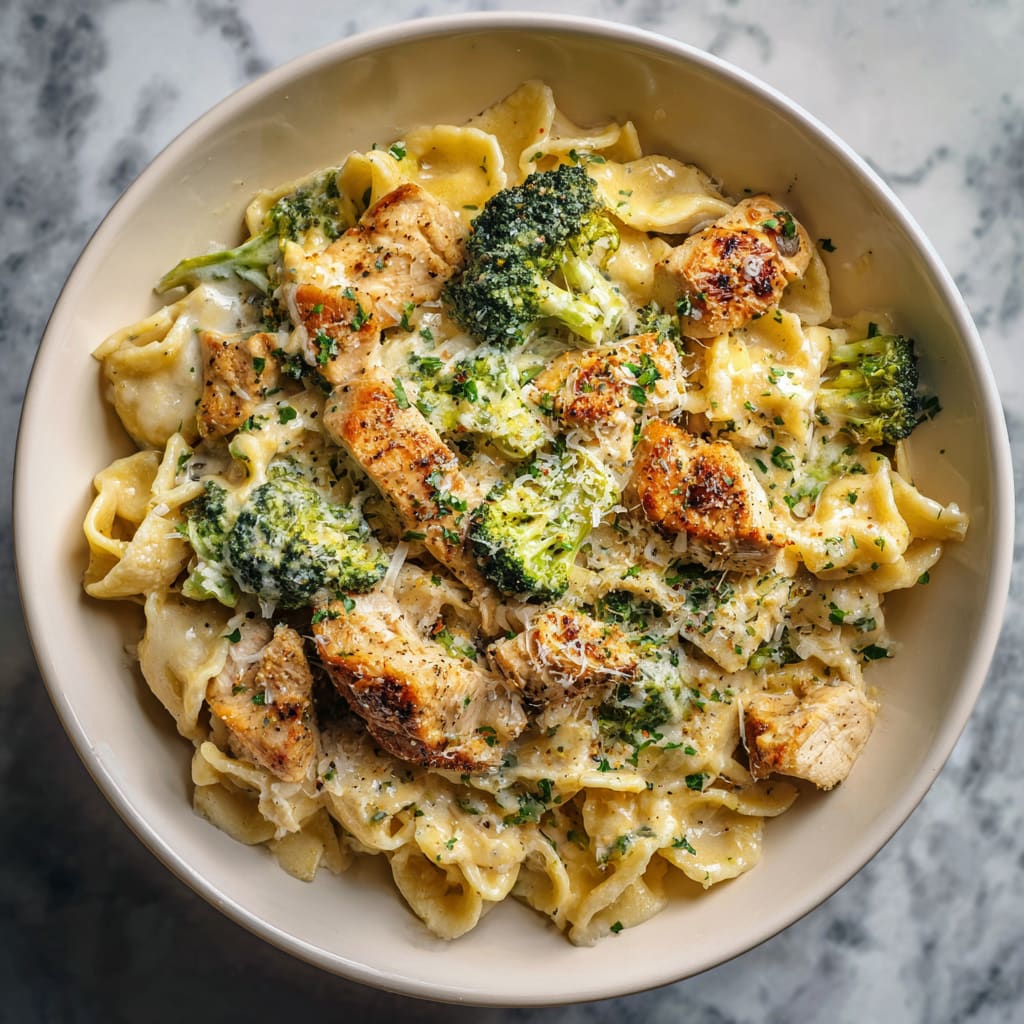
For a heartier spring vegetable pasta, incorporate your favorite protein. Add 1 pound of grilled chicken breast cut into strips, 1 pound of sautéed shrimp, or even 8 ounces of crumbled Italian sausage (cook this first before adding vegetables). For a vegetarian protein boost, toss in 1 cup of fresh green peas or 1 can of drained and rinsed cannellini beans. The added protein transforms this Pasta Primavera from a side dish to a complete, satisfying meal.
Vegan Pasta Primavera
Create a dairy-free version by replacing the cream with 1/2 cup of coconut milk or cashew cream. Instead of Parmesan, use 3-4 tablespoons of nutritional yeast for that cheesy flavor, or try a store-bought vegan Parmesan alternative. Enhance the umami flavor by adding 2 tablespoons of white miso paste to the sauce. This plant-based version of Pasta Primavera is equally delicious and perfect for those following a vegan diet.
Storage and Serving
Pasta Primavera can be refrigerated in an airtight container for up to 3 days, though it’s truly at its best when freshly made. When storing, let it cool completely before refrigerating to prevent condensation that could make the pasta soggy. To reheat, add a splash of broth or water and warm gently over medium-low heat, stirring occasionally to prevent sticking. You can also microwave in 30-second intervals, stirring between each.
For an elegant serving suggestion, pair your Pasta Primavera with a chilled glass of Pinot Grigio or Sauvignon Blanc, which complement the fresh vegetable flavors beautifully. Serve alongside a simple green salad dressed with lemon vinaigrette and a basket of warm garlic bread for soaking up every last bit of the silky sauce.
For a complete dinner party menu, start with a light bruschetta appetizer, follow with this vibrant Pasta Primavera as your main course, and finish with a lemon sorbet or berry panna cotta for dessert. This creates a balanced Italian-inspired meal that won’t leave guests feeling overly full.
FAQs
Can I make Pasta Primavera ahead of time?
While Pasta Primavera is best enjoyed fresh, you can prep all the vegetables and make the sauce up to 24 hours in advance. Store them separately in the refrigerator, then cook the pasta and assemble just before serving. This approach preserves the vegetables’ vibrant colors and prevents the pasta from absorbing too much liquid and becoming soggy.
What are the best pasta shapes for Pasta Primavera?
Medium shapes like penne, fusilli, or farfalle work beautifully with Pasta Primavera because they catch small pieces of vegetables and sauce in their crevices. Long pasta like fettuccine or linguine also works well, creating a more elegant presentation. Avoid very small shapes like orzo or very large shapes that might overwhelm the vegetables.
Is Pasta Primavera always vegetarian?
Traditional Pasta Primavera is vegetarian but not necessarily vegan due to the cheese and sometimes cream. However, it’s incredibly adaptable—you can make it vegan by using plant-based alternatives or add protein like chicken or shrimp for a non-vegetarian version. The defining feature is the abundance of fresh vegetables, not the absence of meat.
Can I use frozen vegetables for Pasta Primavera?
While fresh vegetables provide the best texture and flavor for Pasta Primavera, frozen vegetables can work in a pinch. Thaw and drain them well before cooking to remove excess moisture, and expect a slightly softer texture in the final dish. Quick-frozen vegetables like peas or corn can be added directly to the pan without thawing.
Why is my Pasta Primavera watery?
A watery Pasta Primavera usually results from overcooking the vegetables (releasing too much moisture) or not allowing the sauce to reduce properly. Make sure to sauté vegetables quickly at high heat rather than steaming them, and let your sauce simmer until it reaches a consistency that will coat the back of a spoon before adding the pasta.
Pasta Primavera Recipe
- Prep Time: 15 minutes
- Cook Time: 15 minutes
- Total Time: 30 minutes
- Yield: 4 servings 1x
- Category: Dinner
- Method: Sauté
- Cuisine: Americaine
Description
Pasta Primavera Recipe: Fresh veggies tossed in creamy sauce over al dente pasta. Quick, comforting, and crowd-pleasing.
Ingredients
- 12 oz (340g) pasta (fettuccine, penne, or linguine work well)
- 3 tablespoons (45ml) olive oil, divided
- 1 medium zucchini (about 8 oz/225g), sliced into half-moons
- 1 yellow bell pepper, sliced into thin strips
- 1 red bell pepper, sliced into thin strips
- 8 oz (225g) asparagus, woody ends removed, cut into 2-inch pieces
- 1 cup (150g) cherry tomatoes, halved
- 3 cloves garlic, minced
- 1/2 cup (120ml) vegetable or chicken broth
- 1/2 cup (120ml) heavy cream (optional)
- 1/3 cup (30g) freshly grated Parmesan cheese, plus more for serving
- 2 tablespoons fresh lemon juice
- 1/4 cup fresh basil leaves, torn
- Salt and freshly ground black pepper, to taste
- Red pepper flakes (optional)
Instructions
- Step 1: Prepare Your Ingredients Bring a large pot of salted water to a boil for the pasta. While waiting, wash and chop all your vegetables. Having everything prepped before you start cooking will make the process much smoother. Arrange your chopped vegetables on a cutting board or in small bowls according to their cooking times, with longer-cooking vegetables grouped together.
- Step 2: Cook The Pasta Add the pasta to the boiling water and cook until al dente according to package directions, typically 8-10 minutes. Before draining, reserve 1 cup of the starchy pasta water. Drain the pasta but don’t rinse it—the starch on the surface will help the sauce cling better. Toss with a small drizzle of olive oil to prevent sticking if you’re not immediately adding it to the sauce.
- Step 3: Sauté The Vegetables Heat 2 tablespoons of olive oil in a large skillet over medium-high heat. Add the firmer vegetables first—bell peppers and asparagus—and sauté for about 3 minutes until they begin to soften. Add the zucchini and continue cooking for another 2 minutes. The vegetables should be bright in color and still slightly crisp. Your kitchen will fill with the aromatic scent of fresh vegetables beginning to caramelize.
- Step 4: Add Aromatics And Finishing Vegetables Reduce the heat to medium and add the remaining tablespoon of olive oil along with the minced garlic. Sauté for 30 seconds until fragrant, being careful not to let it brown. Add the cherry tomatoes and cook for just 1 minute more, until they begin to release their juices but still maintain their shape.
- Step 5: Create The Sauce Pour in the broth and bring to a gentle simmer. If using cream, add it now and allow the sauce to simmer for 1-2 minutes until slightly thickened. Add the grated Parmesan cheese and stir until melted and incorporated. The sauce should be light yet creamy, coating the back of a spoon. If it’s too thick, add some of the reserved pasta water, a few tablespoons at a time.
- Step 6: Combine And Finish Add the drained pasta directly to the skillet with the vegetables and sauce. Toss everything together gently but thoroughly, ensuring every strand of pasta is coated with sauce and the vegetables are evenly distributed. Add the fresh lemon juice and half of the basil, then toss again. If the mixture seems dry, add a splash of the reserved pasta water to achieve your desired consistency.
- Step 7: Serve Transfer your Pasta Primavera to a large serving bowl or individual plates. Garnish with the remaining fresh basil leaves, additional Parmesan cheese, and a light sprinkle of red pepper flakes if desired. Serve immediately while hot, passing extra Parmesan at the table for those who want an additional cheesy kick.
Notes
Fresh ingredients will always yield the best flavor results.
Nutrition
- Serving Size: 1.5 cups
- Calories: 380 kcal
- Sugar: 6g
- Sodium: 540mg
- Fat: 18g
- Saturated Fat: 7g
- Unsaturated Fat: 10g
- Trans Fat: 0g
- Carbohydrates: 45g
- Fiber: 6g
- Protein: 10g
- Cholesterol: 20mg